Lifestyle
The Secret Afterlife of Your Online Returns
That dress you mailed back didn't go back on the shelf — odds are it went on a much stranger journey. Inside the messy, wasteful world of e-commerce returns, and how to opt out of it.
Style Delivered. Life Elevated.
That dress you mailed back didn't go back on the shelf — odds are it went on a much stranger journey. Inside the messy, wasteful world of e-commerce returns, and how to opt out of it.

The crinkle of tissue paper and the handwritten note aren't accidents — they're a strategy. What the unboxing boom really tells us about modern retail, and how to tell thoughtful packaging from expensive theater.

There's a tiny gap between 'add to cart' and 'place order' — and it's where most shopping regrets are born. Here's the five-second ritual that turns that gap into your best financial defense.
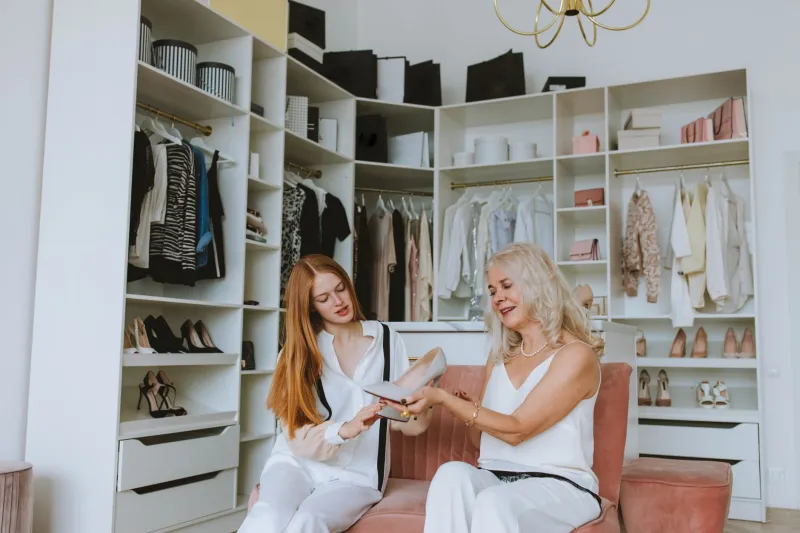
Before any brand campaign or recommendation engine gets a shot at your wallet, your best friend's wardrobe has already done the real work. Borrowing clothes from people you trust turns out to be one of the most honest forms of style discovery out there — and the fashion world is only just catching up.
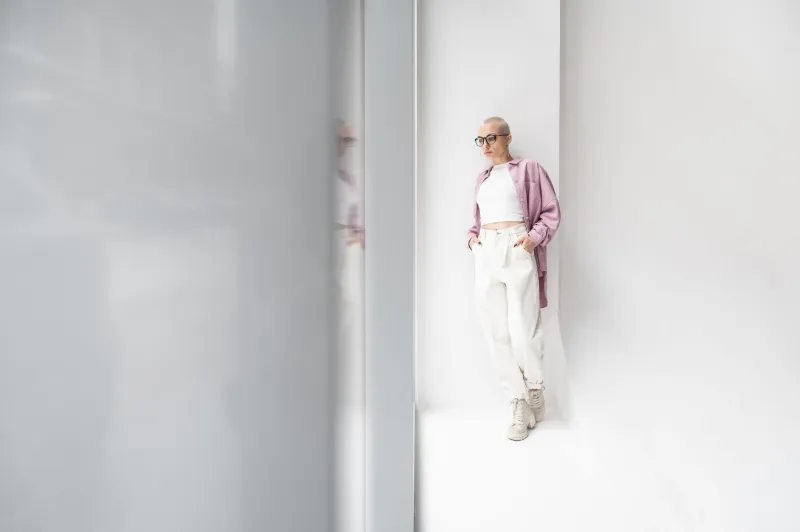
Some of the most accomplished people alive wear basically the same thing every day — and it's not laziness. There's a real psychological advantage hiding inside that repeated outfit, and it has nothing to do with minimalism as a trend.
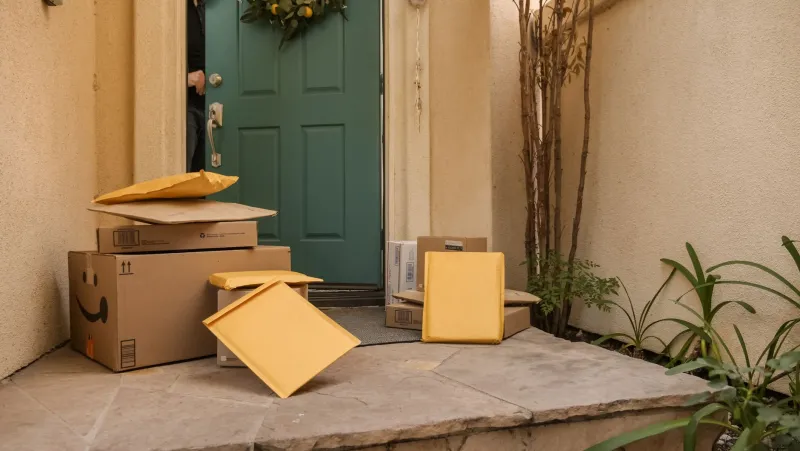
In a world built around same-day delivery, waiting for your clothes might sound like a punishment. But research suggests that the anticipation gap between clicking 'buy' and opening that box could be doing something genuinely valuable for your relationship with what you own. Turns out, patience isn't just a virtue — it might be the secret ingredient to a wardrobe you actually care about.
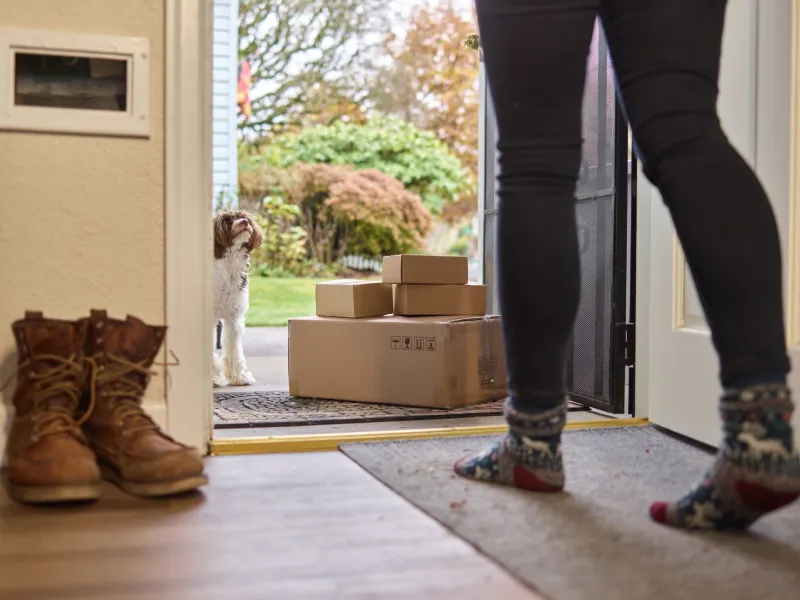
Same-day and next-day delivery feel like a gift, but they quietly stripped away the one thing that used to protect you from bad purchases: time. The wait that once felt frustrating was actually doing you a favor, and here's the science to prove it.

The fear of being caught in the same outfit twice is real — but is it rational? Turns out, the science of social perception has some pretty reassuring things to say about how little anyone actually tracks what you wear.
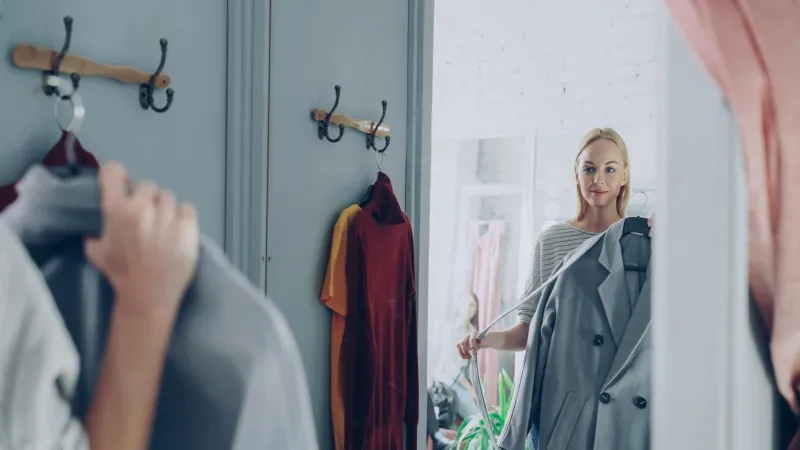
Retail fitting rooms are designed for speed, not accuracy. Trying clothes on at home — with your own lighting, mirrors, and real-life context — is one of the simplest ways to shop smarter, return less, and actually keep what you buy.
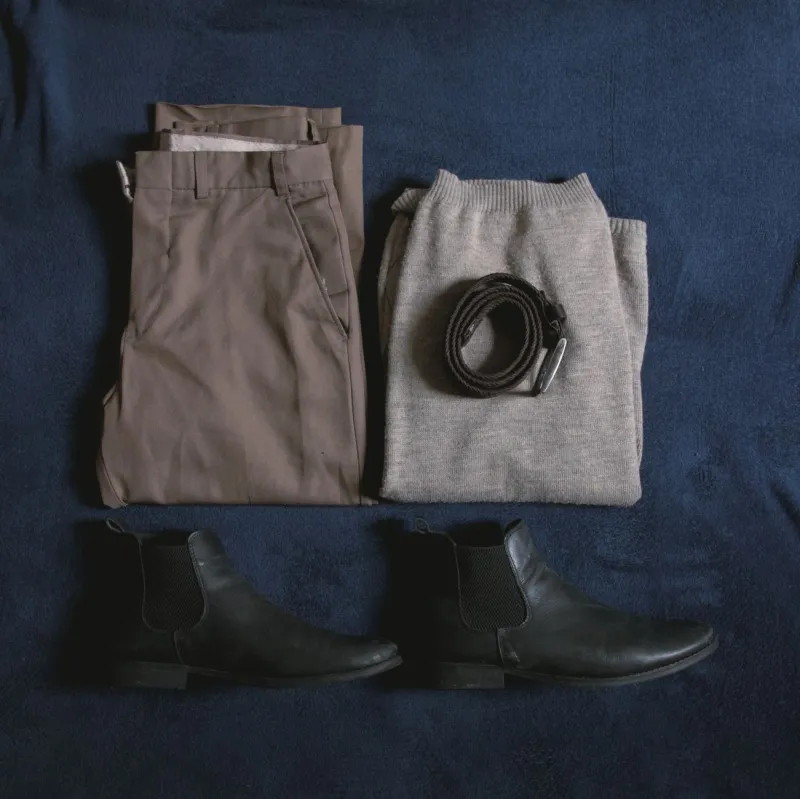
The most stylish people you know probably own fewer distinct outfits than you think. Deliberate repetition isn't a style failure — it's a strategy, and once you understand why it works, you'll stop apologizing for wearing your favorite look twice in one week.
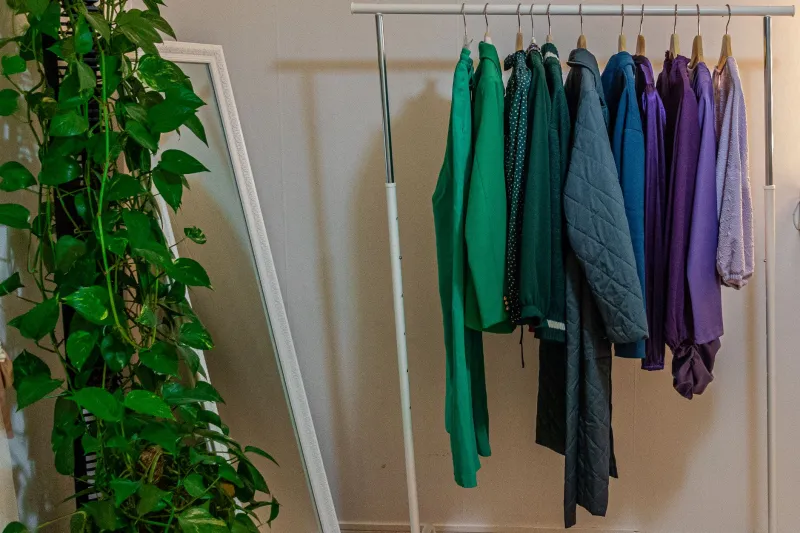
Your outfit isn't just an aesthetic choice — it's a mood decision you're making before your first cup of coffee. Research into color psychology and sensory dressing reveals that what you put on your body has a measurable effect on how you think, feel, and perform throughout the day.
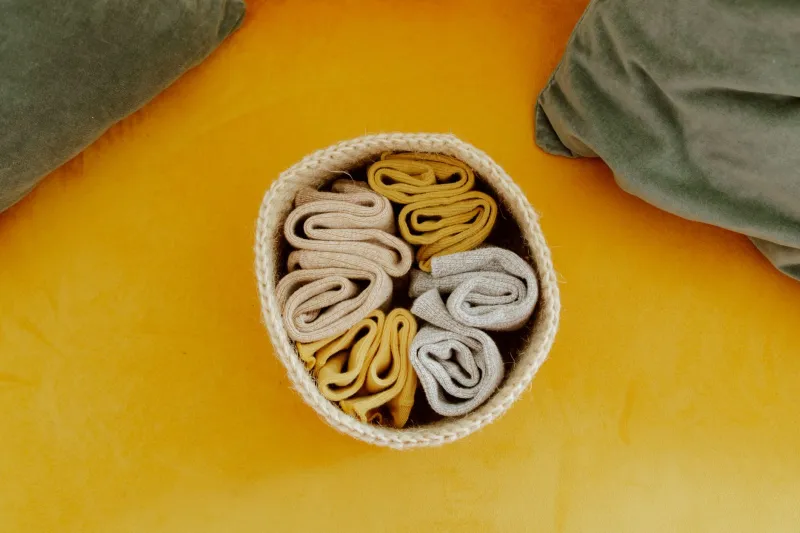
Your most private clothing choices are quietly making decisions for you every single day. The stuff buried in your drawer — the worn-out socks, the stretched-out waistbands, the undershirts with mysterious gray tones — shapes how you carry yourself in ways you've probably never stopped to consider. It's time to take a hard look at the layer nobody else sees.

That little rush you get clicking 'add to cart' when you're stressed? It's real — but it doesn't last. Here's why shopping your feelings almost always backfires, and what to do instead when the urge hits.

Somewhere between working from home and never wanting to leave the house, a lot of us traded personal style for elastic waistbands — and never looked back. The problem? That swap came with a hidden cost. Here's how to reclaim your look without giving up the comfort you've grown to love.
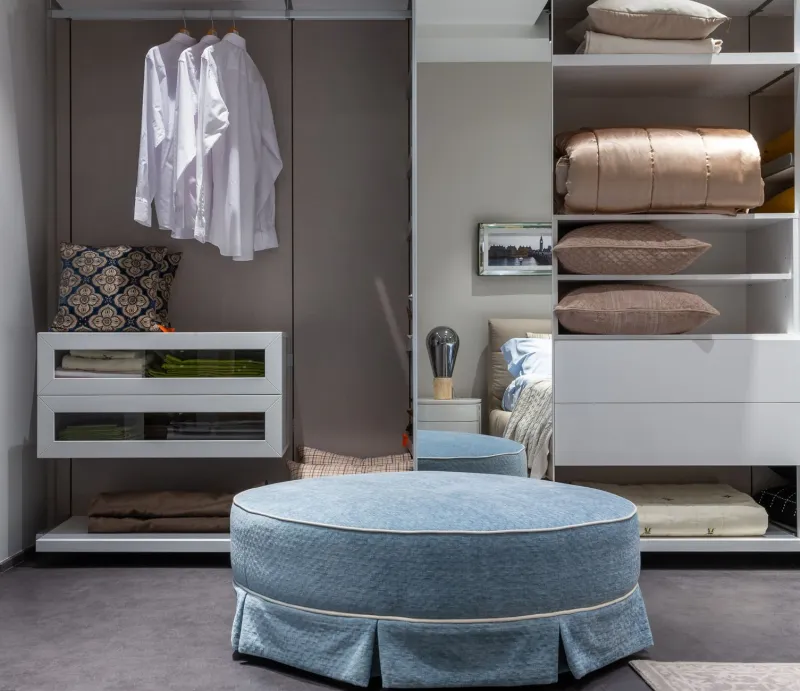
Since 2020, millions of Americans quietly built wardrobes that have almost nothing to do with their real lives. The psychology behind it is fascinating — and the fix is more doable than you think.

Living in a micro apartment or tiny home doesn't mean settling for a chaotic, cramped wardrobe. With the right storage tools and a smarter approach to what you actually own, a compact closet can outperform a walk-in. Here's how to make every square inch count.
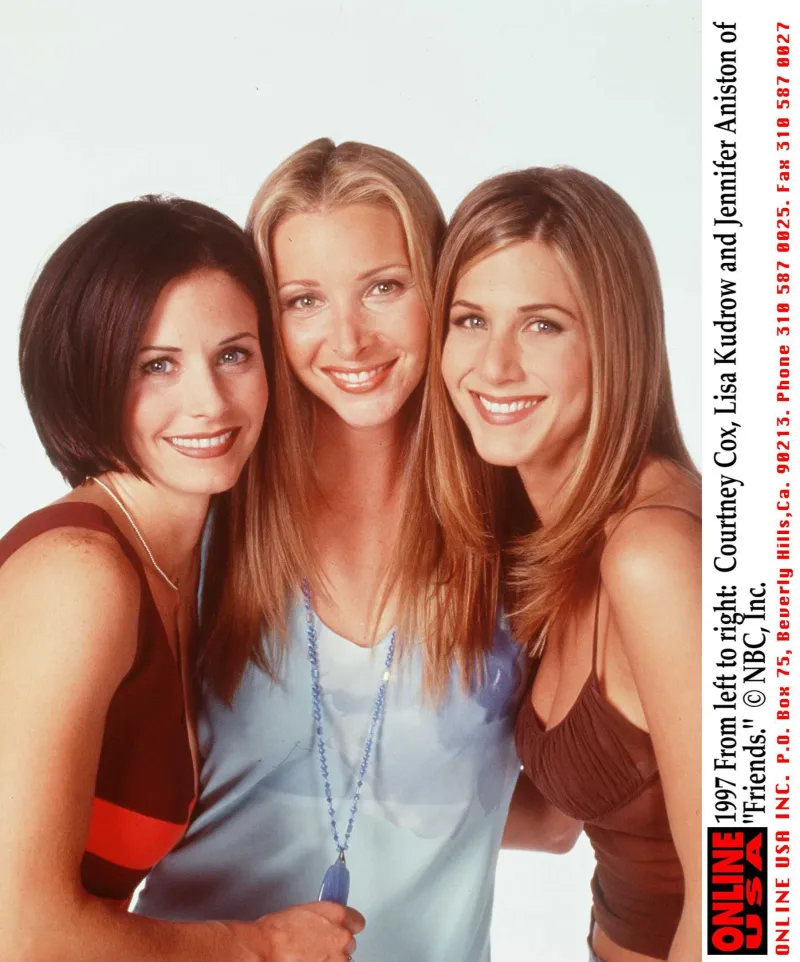
Clothing swaps aren't just a quirky weekend activity—they're a full-on movement reshaping how Americans think about refreshing their wardrobes. Whether you're hosting a backyard swap or joining a pop-up community event, the payoff goes way beyond free clothes. Here's everything you need to know to get in on it.

Most of us have a rough idea of what we've spent on clothes — but the real number is usually way higher than we think. A wardrobe audit isn't about shame; it's about turning your spending history into a smarter shopping strategy. Here's how to run the numbers and actually use what you find.
You don't have to buy anything new to feel like you have a fresh wardrobe. Strategic seasonal rotation — done right — can make old favorites feel exciting again and stretch the life of every piece you already own. Here's a practical, feel-good approach to cycling through your clothes all year long.
Secondhand shopping has a reputation for being the budget-savvy, planet-friendly alternative to fast fashion. But is it actually cheaper when you factor in all the hidden costs? We ran the numbers — and the answer is more complicated than you'd think.