Dressed for the Couch, Stuck in a Rut: How Comfort Clothing Quietly Killed Your Personal Style

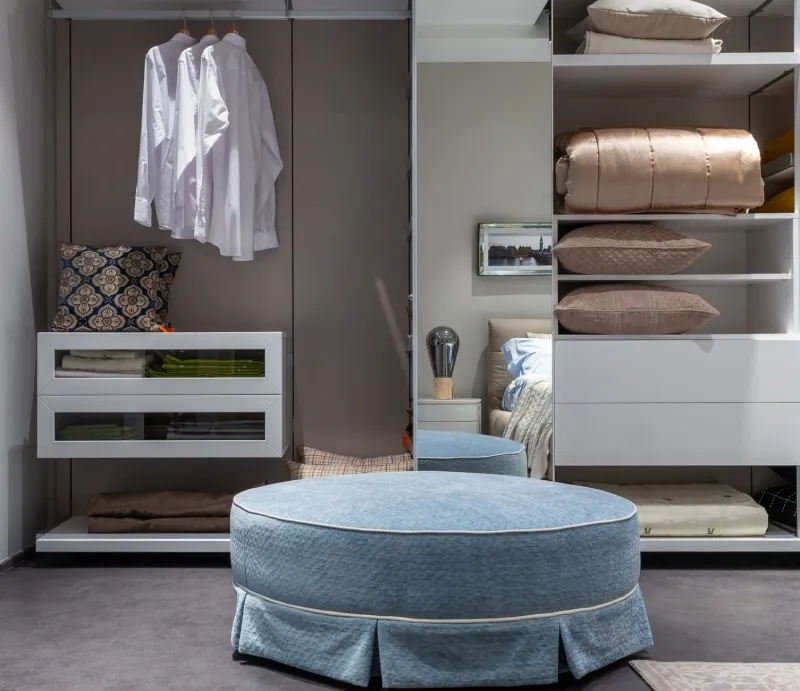
Photo by Photo by Caroline Badran on Unsplash on Unsplash
Let's be honest. At some point over the last few years, the sweatpants stopped being a lazy Sunday thing and became a whole personality. Matching sets replaced work trousers. Oversized hoodies swallowed blazers whole. And the sneakers — well, the sneakers never left.
None of that is inherently bad. Comfort matters. But a lot of us have quietly crossed a line from choosing comfort to defaulting to it, and there's a difference. One is a lifestyle decision. The other is a style rut dressed up in French terry cloth.
If you've ever opened your closet, stared at a perfectly good wardrobe, and still reached for the same worn-in joggers for the fourth time this week — this one's for you.
Why We Got Here (And Why It Made Total Sense at the Time)
The pandemic didn't invent athleisure, but it absolutely supercharged it. When the world shut down and every meeting moved to a laptop screen, dressing with intention felt pointless. Nobody was seeing your full outfit anyway. The waist-up aesthetic was born, and the rest of your body got a permanent hall pass.
Fast forward a few years, and those habits calcified. Brands responded by flooding the market with elevated loungewear — buttery soft sets, luxe hoodies, sleek joggers that technically could pass in public. The messaging was clever: you don't have to choose between comfort and style. And while that's partially true, it also gave a lot of people permission to stop trying altogether.
Psychologists call this "enclothed cognition" — the idea that what you wear directly influences how you think and feel about yourself. Studies have shown that people report higher confidence, sharper focus, and a stronger sense of identity when they dress with intentionality. When comfort becomes the only variable you're optimizing for, everything else — confidence, presence, self-expression — quietly takes a back seat.
The Comfort Uniform Problem
Here's the thing about a comfort uniform: it's seductive because it removes friction. You don't have to think. You don't have to decide. You just grab the soft thing and go.
But friction, in small doses, is actually where personal style lives. Choosing what to wear — even when it takes an extra five minutes — is a small, daily act of self-definition. It's how you signal to yourself (and yes, to others) who you are and how you want to show up.
When every day looks the same, that signal flatlines. And while nobody around you is necessarily judging your leggings, you might be. Research consistently links low-effort dressing with lower self-reported mood and motivation. That sluggish, slightly blah feeling you can't quite explain? Your wardrobe might be contributing to it more than you think.
Comfort and Style Aren't Actually Enemies
Here's the reframe that changes everything: comfort and style are not opposites. They just require a little more thought when you want both at the same time.
The key is in the details — fabric, fit, and intentionality. A well-cut cotton crewneck in a rich, solid color reads completely differently than a faded gym pullover, even if both are equally comfortable to wear. Straight-leg trousers with a soft waistband feel just as easy as joggers but look infinitely more put-together. Slip-on loafers are just as low-effort as sneakers on most days, but they shift the whole energy of an outfit.
This is where elevated basics earn their keep. Not the trendy pieces that spike in popularity and vanish six months later, but the foundational items that are cut well, made from quality materials, and designed to actually move with your body. Think structured knits, ponte pants, fluid linen shirts, and leather-trimmed slides. Comfort at the construction level, style at the visual level.
Practical Ways to Break the Rut Without Overhauling Everything
You don't need to throw out your loungewear or start dressing like you're headed to a board meeting. You just need a few intentional shifts.
Swap one piece at a time. If you're wearing a great soft tee, pair it with actual pants instead of matching sweats. If you love your joggers, elevate them with a structured jacket and clean sneakers. Small upgrades compound quickly.
Add a layer with intention. A cardigan, a denim jacket, an open overshirt — layering is one of the easiest ways to make a casual base look considered rather than accidental.
Let fabric do the heavy lifting. Not all comfortable clothes look comfortable. Modal, ponte, bamboo blends, and quality cotton all feel great against your skin while draping in ways that look polished from across the room. Fabric quality is your secret weapon.
Get dressed even when you don't have to. This sounds almost too simple, but it works. On a work-from-home day, try putting on a real outfit — not for anyone else, just to see how it affects your energy. Most people are surprised.
Audit your comfort pieces. Which ones actually look good, and which ones have just become habit? Keep the former, retire the latter. A cozy piece that's also visually strong is worth its weight in gold. One that's just a security blanket? Maybe it's time.
The Bigger Picture
Personal style isn't about impressing people or following trends. At its best, it's a form of self-respect — a quiet way of saying you see yourself and you're paying attention. The post-pandemic comfort era gave us permission to exhale, and that was genuinely necessary. But a lot of us exhaled and never quite breathed back in.
The good news is that getting your style back doesn't require starting over. It requires a little curiosity and a willingness to ask: Am I wearing this because I love it, or because it's just easy?
Easy has its place. But so does feeling like yourself.
At Leme Shop, we believe style should fit your actual life — not some idealized version of it. That means comfort matters. It also means you deserve to feel good in what you're wearing, not just physically, but in that harder-to-name way that happens when your outside matches your inside. Both things can be true. They just take a little intention to pull off together.