Retail Therapy Is a Lie: The Emotional Spending Cycle That Keeps You Broke and Unfulfilled

Photo by Photo by Resume Genius on Unsplash on Unsplash
We've all been there. Bad day at work, rough week, a fight with someone you care about — and suddenly your browser has seventeen tabs open and you're convincing yourself you need that new jacket. You hit purchase. For about forty-five minutes, life feels manageable again.
Then the package arrives three days later and you feel... nothing. Maybe even a little worse.
That's not a personal failure. That's your brain playing a very old trick on you — and the entire fast fashion industry has built a billion-dollar machine around it.
The Brain Science Behind the Buy
Here's what's actually happening when you shop emotionally. The moment you start browsing with the intention to buy, your brain releases dopamine — the same chemical associated with anticipation, reward, and pleasure. Crucially, the dopamine spike happens before you buy, not after. The act of wanting and hunting is the high. The purchase itself is just the comedown.
This is why the cart feels more exciting than the delivery. It's why you can spend two hours scrolling a sale page and feel strangely energized, then deflated once you've actually checked out. Your brain got its fix during the chase. The item itself was almost beside the point.
Fast fashion brands know this. Flash sales, countdown timers, "only 3 left in stock" warnings — these aren't just marketing tactics. They're dopamine accelerants, engineered to keep your brain in that anticipatory sweet spot as long as possible so you keep clicking.
Why the Mood Boost Doesn't Stick
Emotional shopping does provide a real, measurable short-term lift. Studies have confirmed that people in negative moods experience genuine relief after making a purchase. So it's not entirely in your head — except that it kind of is, and it fades fast.
The problem is that the underlying emotion doesn't go anywhere. You were stressed before you bought the dress. You're still stressed after, except now you also have a dress you didn't really need and a credit card balance that's slightly more uncomfortable. The original feeling — the loneliness, the anxiety, the boredom — is still sitting there, waiting.
Worse, the guilt and buyer's remorse that often follow an impulsive purchase can actually deepen your negative emotional state. So you feel worse than you did before you started shopping, which makes you more likely to shop again to chase that dopamine hit. Round and round it goes.
Psychologists call this an avoidance coping mechanism. You're not solving the problem; you're temporarily distracting yourself from it while adding a new one.
The Unworn Clothes Problem
Here's the part that stings the most: most emotionally purchased clothing never gets worn.
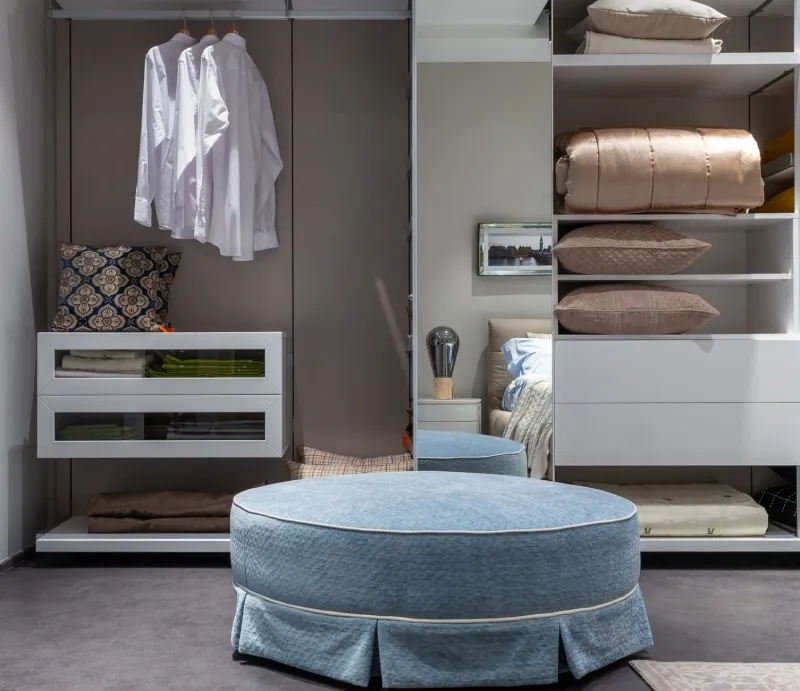
Some estimates suggest that Americans wear only about 20 percent of the clothes they own on a regular basis. A meaningful chunk of that unused 80 percent was bought during a bad week, a late-night scroll session, or a moment of stress-fueled optimism. It arrives, gets tried on once, and gets shoved to the back of the closet — a physical record of every mood you tried to shop your way out of.
That closet isn't just cluttered. It's a museum of emotional spending, and walking past it every morning can quietly erode your confidence. You see all those tags-still-attached mistakes and feel a low-grade guilt that you can't quite name.
That guilt? It's actually making it harder to get dressed with any real intention. Which makes your style feel worse. Which, ironically, makes you want to buy more clothes to fix it.
What Intentional Style Actually Feels Like
Here's where things get genuinely useful. The confidence that emotional shopping promises but can't deliver? It's available — just not through impulse buying.
Real style confidence comes from knowing your wardrobe. It comes from opening your closet and seeing things you chose deliberately, that fit your actual life, that work together, and that you reach for because you want to wear them — not because they were on sale when you were having a rough Tuesday.
That's a completely different feeling than the dopamine hit of the hunt. It's quieter, but it lasts.
Building that kind of wardrobe takes a different approach to shopping — one where you're buying from a place of clarity instead of emotion.
Practical Ways to Break the Cycle
Name the feeling before you open the app. Seriously. If you catch yourself reaching for your phone to browse after a stressful call or a frustrating afternoon, pause and ask what you're actually feeling. Naming an emotion — "I'm anxious," "I'm bored," "I'm lonely" — engages a different part of your brain and immediately reduces its intensity. Sometimes that's enough to dissolve the urge entirely.
Use a waiting list instead of a cart. When something catches your eye, screenshot it or add it to a wishlist. Give it 48 to 72 hours. If you still want it after the emotional weather has cleared, it might be a genuine purchase. If you've forgotten about it, you have your answer.
Set a "why" requirement. Before buying anything, complete this sentence: "I need this because _____." If the honest answer is "I had a bad day" or "it was on sale," that's a signal. If you can give a specific, practical reason — "I need a versatile blazer for client meetings and mine is worn out" — that's a purchase worth making.
Find a non-shopping dopamine source. This sounds obvious, but it works. Exercise, cooking something from scratch, calling a friend, even a walk around the block — these all trigger real neurochemical responses that address the underlying emotion instead of papering over it.
Audit what you've already got. Before buying anything new, spend thirty minutes with your actual closet. You might find exactly what you thought you were missing. Shopping your existing wardrobe doesn't cost anything and often delivers a more genuine mood lift than a new purchase — because you're engaging with your real life, not a fantasy version of it.
The Better Version of Feeling Good
None of this means you should never enjoy shopping. There's real pleasure in finding something well-made that genuinely fits your life. The goal isn't to drain the fun out of buying clothes — it's to make sure the fun is real and the purchase is something you'll actually be glad you made a month from now.
Shopping with intention, from a place of clarity and purpose, is one of the most underrated style moves you can make. You end up with less — but what you have actually works, actually gets worn, and actually makes you feel like yourself when you put it on.
That's the kind of confidence retail therapy keeps promising and never quite delivers. Turns out, you don't shop your way to it. You think your way there first.