Tissue Paper Is a Language: Decoding the Unboxing Experience

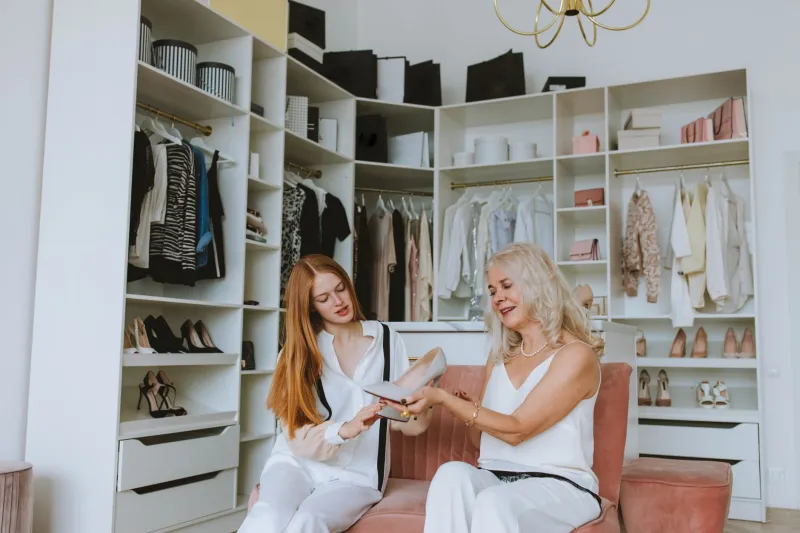
Photo by Photo by Kira auf der Heide on Unsplash on Unsplash
There's a reason your heart rate ticks up when you slice the tape on a package and find crisp tissue paper underneath instead of a bare plastic mailer. It's not an accident. It's design.
From Bonus to Baseline
A decade ago, unboxing was a bonus — a little flourish some brands added. Then YouTube happened. Unboxing videos racked up billions of views, and suddenly the moment of opening became content, and content became marketing, and marketing became expectation. Today, a direct-to-consumer brand that ships a product naked in a polybag feels almost rude. Where's the sticker? Where's the note? Where's the experience?
The psychology is straightforward: packaging is the only physical 'store' most e-commerce customers ever walk into. There's no showroom, no friendly associate, no fitting room music. The box has to do all the emotional heavy lifting, and brands know it. A well-designed unboxing moment converts a transaction into a memory — and memories are what bring people back.
Thoughtful vs. Theater
But not all tissue paper is created equal. After enough orders, you start to notice the difference between packaging that's for you and packaging that's for the brand's Instagram.
Thoughtful packaging protects the product, anticipates real needs (a resealable pouch, a care card, sizing info you'll actually reference later), and creates a moment of genuine delight without excess. It's the brand saying, 'we thought about you using this.'
Wasteful theater is a small item entombed in nested boxes, shredded paper filler, three layers of tissue, a ribbon, and a branded card you'll throw away in eleven seconds. It photographs beautifully. It also costs money you paid for and creates waste you didn't ask for.
Here's the honest test: did the packaging make the product easier to love, or just harder to open? If you remember the note but not the product, the theater won.
What Actually Matters When the Box Arrives
As a shopper, here's what we'd suggest valuing — because your attention is what brands are competing for in that moment:
- Protection first. Nothing kills delight like a cracked item. Good structural packaging is unsexy and essential.
- One good moment. A single handwritten-feeling note or a well-placed sticker beats an avalanche of inserts.
- Reusability. Boxes that become storage, dust bags that become travel pouches — packaging with a second life respects both your money and the planet.
- Honesty. If the packaging costs more than the product, that's your money wrapped in ribbon.
The Best Packaging Is Invisible
The unboxing economy isn't going anywhere, and honestly, we're glad — opening a package should feel like something. But the goal post has moved: the best brands now understand that the experience isn't the crinkle of tissue paper. It's the moment three weeks later when you reach for the product again and it still delivers.
The box opens once. The product should keep opening — every single time you use it. That's what we build for, and it's what we'd encourage you to look for, whether you're shopping with us or anyone else.