The Wait Is the Point: How Slower Shipping Actually Makes You Love What You Buy
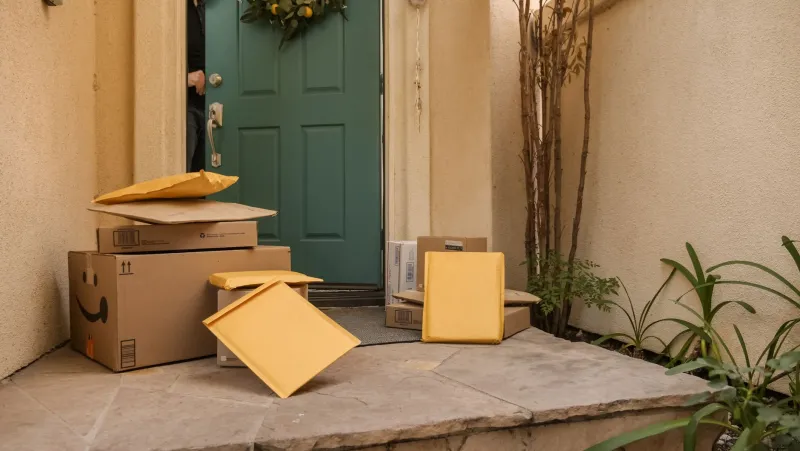
There's a particular kind of excitement that hits about 48 hours after you place an order. You've already mentally worn the jacket to three different places. You've imagined the compliments. You've pictured how it'll look hanging in your closet next to that one shirt it was basically born to coordinate with. None of this has happened yet — and somehow, that's kind of the whole thing.
We live in an era that treats waiting as a design flaw. Two-day shipping was revolutionary. Then one-day became standard. Now same-day delivery exists in most major US cities, and the cultural expectation has quietly shifted: the gap between wanting something and having it should be as close to zero as possible. But here's the uncomfortable question nobody's really asking — what if that gap was actually doing something useful?
What Your Brain Does While You Wait
Psychologists have spent a fair amount of time studying anticipation, and the findings are genuinely interesting. Research on what's sometimes called the "experience stretch" effect shows that when people expect a future reward, the mental rehearsal of that reward generates its own form of pleasure. You're not just waiting — you're pre-enjoying. Your brain is running simulations, building emotional investment, and quietly constructing a narrative around the thing you bought.
By the time the package actually shows up, you've already developed a relationship with it. That's not irrational — it's how attachment works. And attachment, as it turns out, is the difference between clothes you actually wear and clothes that silently pile up in the back of your closet until you can't remember why you bought them.
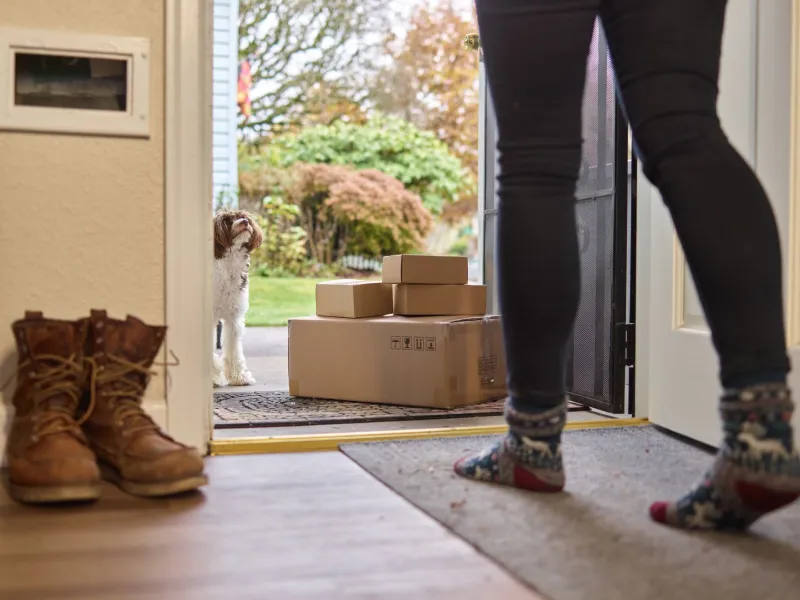
Fast delivery short-circuits that process almost entirely. When a package arrives the same afternoon you ordered it, there's barely any window for anticipation to build. The dopamine hit is immediate, intense, and brief — and then it's gone. What you're left with is just an item. No story, no buildup, no sense of occasion. Just a thing that arrived.
The Return Rate Problem Nobody Talks About Honestly
Here's a stat worth sitting with: online apparel return rates in the United States hover somewhere between 30 and 40 percent, depending on the category. That's not a rounding error — that's a structural feature of how fast-fashion and rapid delivery have reshaped shopping behavior.
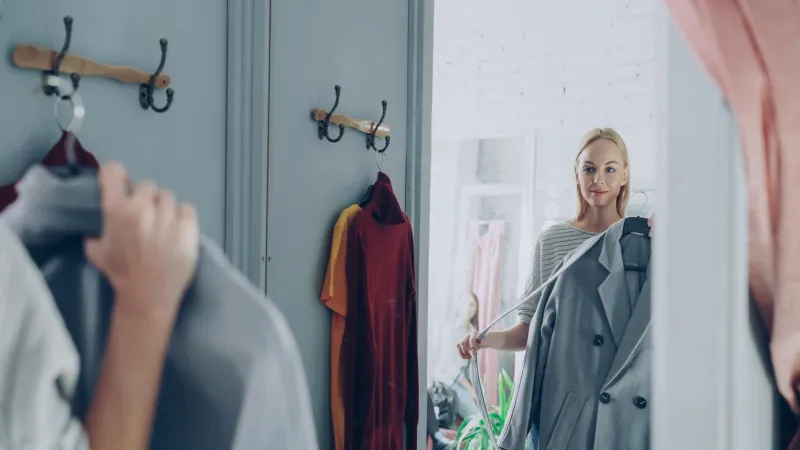
When buying something feels low-stakes and frictionless, it becomes easier to treat purchases as tentative. You're not really deciding when you click buy — you're just auditionin the item. The return policy is baked into your decision-making from the start. And while liberal return policies are genuinely convenient, they also quietly signal that your commitment to a purchase doesn't have to be real until the item is physically in your hands.
Anticipation changes that calculus. When you've spent a week looking forward to something, thinking about how you'll wear it, you arrive at the moment of unboxing with actual investment. You want it to work. You're rooting for it. And that emotional posture makes you more likely to style it thoughtfully, wear it repeatedly, and keep it rather than ship it back.
Slower Shipping as an Unexpected Editing Tool
Here's something worth trying: the next time you're shopping online and you see a standard 5-to-7 business day shipping option sitting next to a 2-day express option, choose the slower one deliberately. Not because you have to — because you want to see what happens.
That week of waiting becomes a low-key trial period for your enthusiasm. If you're still genuinely excited when the package arrives, that's real signal. You didn't just impulse-buy in a moment of boredom or stress. You wanted it across multiple days and moods and contexts. That's a much stronger foundation for a piece of clothing you'll actually wear.
On the flip side, there's a version of this that probably sounds familiar: you order something in a flash of excitement, it arrives two hours later, and by the time you open it you've already half-forgotten why you wanted it. The feeling that drove the purchase has already dissipated. The item hasn't changed — your relationship to it has, because the emotional window that made it feel necessary closed before it ever arrived.
The Unboxing Ritual Deserves More Credit
There's a reason unboxing content became its own genre of entertainment on YouTube and TikTok. The moment of reveal carries genuine psychological weight. But that weight is proportional to what preceded it. An unboxing after a week of anticipation hits differently than one that happens before you've even had lunch.
When you've waited, the ritual feels earned. You take your time. You notice the details — the texture of the fabric, the way the color looks in your actual lighting, the fit against your actual body. You're present for it in a way that fast delivery doesn't really invite.
That presence matters for your wardrobe in practical terms. Clothes you actually examine and appreciate tend to get integrated into your rotation more intentionally. You've already thought about how you'll wear them. The styling work happened during the wait.
What This Means for How You Shop
None of this is an argument against convenience, and it's definitely not a case for artificially bad logistics. Fast shipping is a genuine improvement in people's lives in plenty of situations. But as a default mode for every single purchase, it may be quietly undermining the satisfaction you're shopping for in the first place.
If the goal is a wardrobe full of things you genuinely love — pieces that feel like yours, that you reach for repeatedly, that reflect something real about who you are — then the path there probably involves a little more friction, not less. A few extra days of waiting. A little more time to sit with a decision before it shows up at your door.
Style, at its best, is something you build deliberately. And deliberate things tend to take a little time. That's not a bug in the process. It might actually be the whole point.