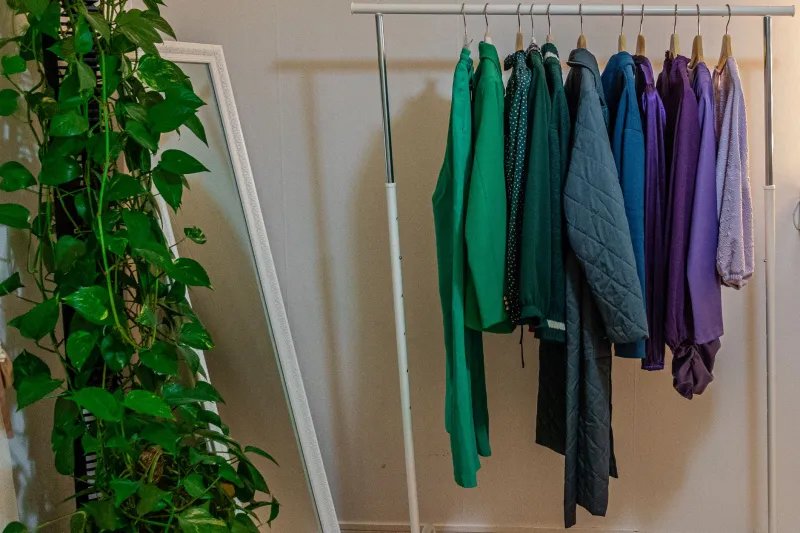
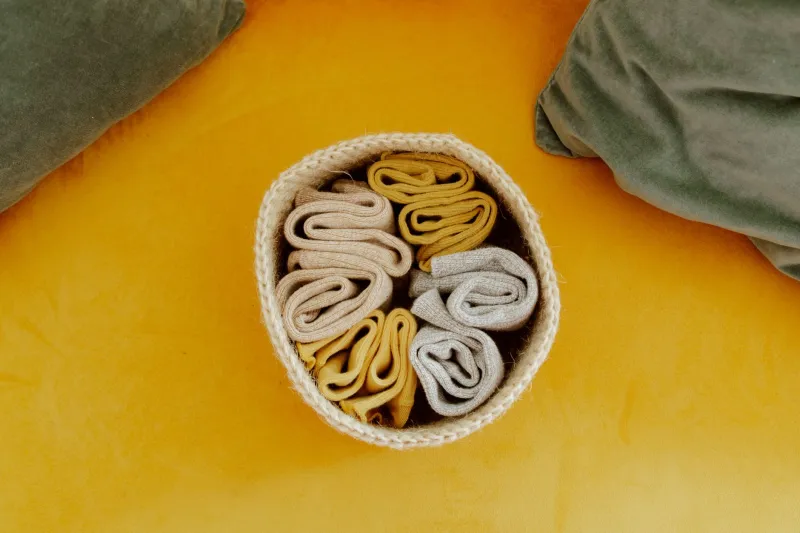
Wear It Again: Why Repeating Your Best Outfits Is Actually a Power Move
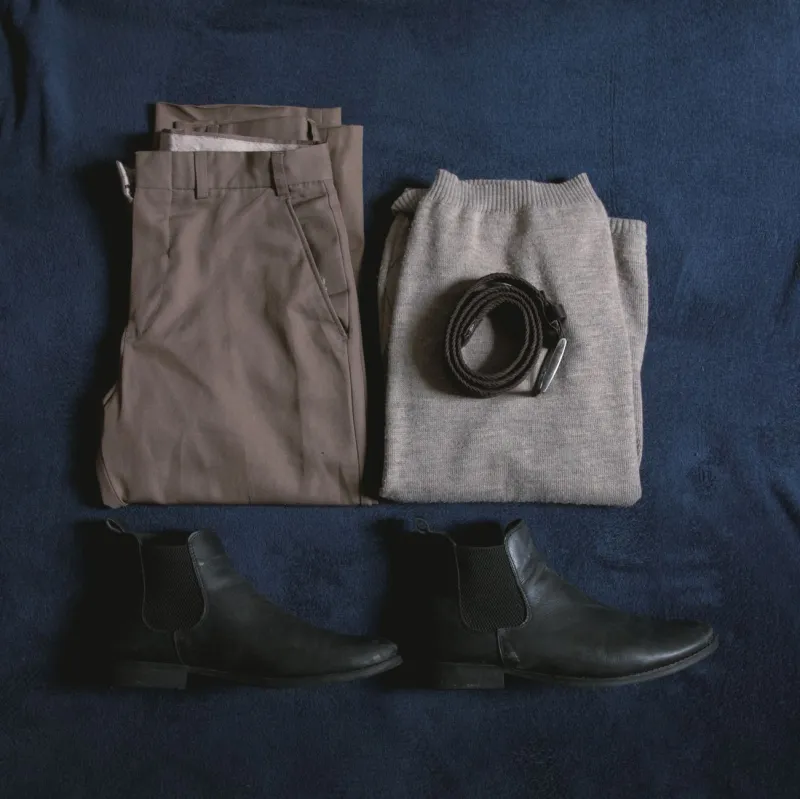
There's a quiet confidence that comes from someone who walks into a room wearing basically the same thing they wore last Tuesday — and somehow looks completely intentional about it. No apology. No explanation. Just presence.
We've been sold the idea that a great wardrobe means endless variety. New outfit every day, never repeat in public, always keep people guessing. But some of the most put-together people in creative industries — designers, architects, writers, directors — have quietly rejected that idea entirely. They've built what's often called a personal uniform, and they swear it's one of the best decisions they've ever made.
Here's the thing: they're not lazy. They're optimized.
The Decision Fatigue Nobody Talks About
Every morning you open your closet, your brain is already working. Before you've had coffee, you're making choices — what fits the weather, what's clean, what matches, what the day calls for. Research on decision fatigue suggests that the quality of our choices degrades the more decisions we make. By the time you've agonized over whether the olive chinos work with the burgundy shirt, you've already spent mental energy you could have used somewhere else.
High-performing people across a lot of industries have figured this out. Barack Obama famously wore only gray or blue suits during his presidency. Steve Jobs had his black turtleneck. Anna Wintour has her bob and her sunglasses before she even gets dressed. These aren't people who don't care about appearance — they care enormously. They've just removed the daily negotiation from the equation.
When you stop deciding what to wear from scratch every morning, you free up cognitive space for things that actually require your full attention.
Repetition Isn't Monotony — It's Mastery
Here's where the psychology gets interesting. When you wear something repeatedly, you get better at wearing it. You learn exactly how it fits after a few hours, which shoes work best, whether it needs a belt, how it photographs, what jacket layers over it perfectly. You stop second-guessing the outfit mid-day because you already know it works.
That knowledge builds a kind of quiet confidence that's genuinely visible to other people. You stop fidgeting. You stop adjusting. You move through your day without thinking about what you have on — and that ease reads as style.
Creative professionals who've embraced a personal uniform often describe the same thing: the outfit becomes almost invisible to them, which means their energy goes entirely into their work, their conversations, their presence. The clothes stop being a performance and start being a foundation.
The Paradox: Fewer Pieces, More Freedom
Counter-intuitive but true — owning a smaller rotation of pieces you genuinely love gives you more to work with than a closet stuffed with options you're lukewarm about.
When every piece in your rotation is something you'd reach for happily, the combinations you can build from them multiply. A dark wash jean that fits you perfectly works with almost everything else you own. A well-cut blazer in a neutral you actually like doesn't need a complicated supporting cast. You stop having clothes that only work with one specific other thing, which means you stop having dead weight in your closet.
Graphic designers, architects, and other visual-field professionals talk about this in terms of constraints. Fewer variables often produce more creative output, not less. The same logic applies to getting dressed.
Building Your Own Uniform Without Looking Like You're in a Rut
A personal uniform doesn't mean wearing the exact same shirt in the exact same color every single day (though honestly, if that works for you, go for it). It means identifying the silhouettes, fabrics, and proportions that consistently make you feel good and building around those.
Start by looking at what you actually reach for. Not what you bought hoping you'd become the person who wears it — what you actually put on without thinking. Those pieces are telling you something. They're your uniform waiting to be acknowledged.
From there, the goal is to invest in depth rather than breadth. Instead of one great pair of pants, maybe you own three pairs in slightly different washes or weights. Instead of a dozen shirts you feel okay about, you own five you genuinely love. The variety lives in subtle shifts — texture, a slightly different shade, a seasonal weight — rather than completely different silhouettes every day.
The key is that within your uniform, everything should work together almost automatically. That's the point. You want to be able to grab anything from your rotation on a Monday morning before you're fully awake and know it'll come together.
What This Actually Does for Your Confidence
Style confidence isn't about wearing something new. It's about wearing something right. And the only way to know something is right is to have worn it enough times to trust it.
People who've built a personal uniform consistently report that they feel more like themselves — not less. The repetition doesn't erase individuality, it clarifies it. You stop dressing for other people's expectations of variety and start dressing in a way that's genuinely yours.
There's also something freeing about not performing novelty. You don't owe anyone a new outfit. You don't need to justify wearing your favorite look again. When you've internalized that, the energy you used to spend worrying about being seen in the same thing twice gets redirected somewhere useful.
The Shopping Shift That Comes With It
Once you commit to a uniform approach, your relationship with shopping changes pretty dramatically. You stop buying things because they're interesting and start buying things because they fit the system you've built. Impulse purchases drop. You spend more per piece but buy fewer pieces overall, which usually evens out financially and often tips in your favor.
You also stop chasing trends in the same anxious way. When you know what works for you — really know it — a trend is just information. Sometimes it intersects with your uniform and you can incorporate it. Often it doesn't, and you can appreciate it from a distance without feeling like you're missing out.
Shopping with a uniform in mind is one of the most satisfying ways to build a wardrobe. Every purchase has a clear purpose. Nothing sits unworn because it didn't quite fit the rest of what you have.
Repetition as a Statement
There's a version of style that's about keeping people guessing, always showing up with something new, making fashion feel like performance. That's valid. But there's another version — equally stylish, arguably more sustainable — that's about showing up as exactly yourself, consistently, without apology.
Wearing your best looks again isn't a shortage of imagination. It's a surplus of self-awareness. And in a culture that's constantly pushing you to buy more, own more, and perform more variety, choosing to repeat is actually a pretty radical act.
Wear it again. It looked great the first time.